Dead Branch Removal in Reno, NV
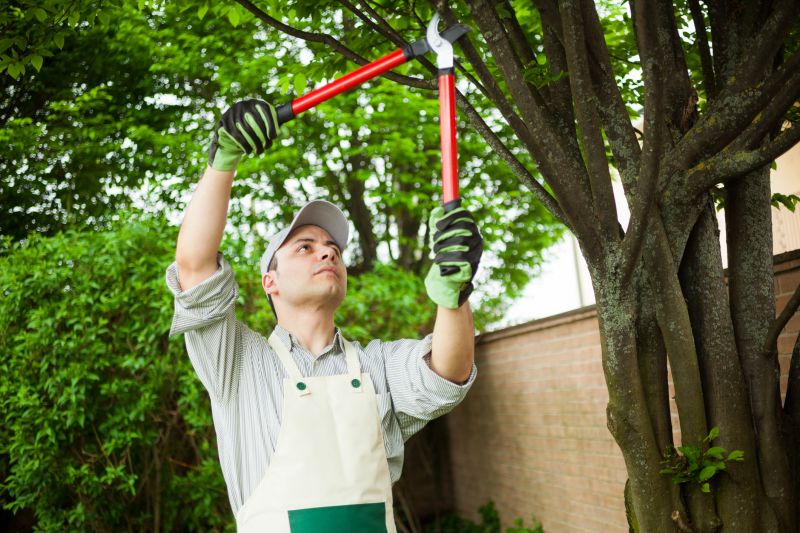
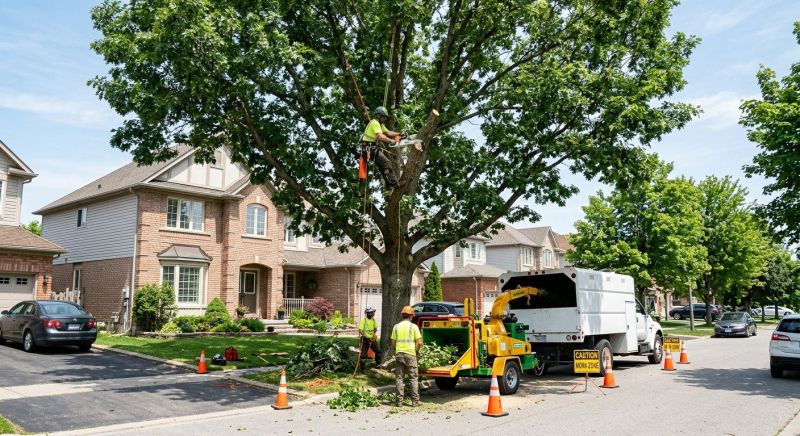
Dead branch removal services involve the careful trimming and removal of dead or dying branches from trees and shrubs on residential properties. This process helps improve the overall health and appearance of trees, reduces the risk of falling branches, and minimizes potential damage to structures, vehicles, or people. Projects may include removing hazardous limbs, thinning dense canopies, or addressing specific concerns such as disease or storm damage, ensuring that trees remain safe and well-maintained.
Property owners often seek dead branch removal to enhance safety, prevent property damage, and promote healthy growth of their trees. Before requesting this service, it is helpful to understand the extent of the work needed, the types of trees or shrubs involved, and any specific concerns about safety or aesthetics. Proper assessment can ensure that the right techniques are used to maintain the health and appearance of trees while addressing safety considerations around the property.
Many property owners in Reno, NV look into Dead Branch Removal for repairs, replacements, upgrades, and appearance-related improvements.
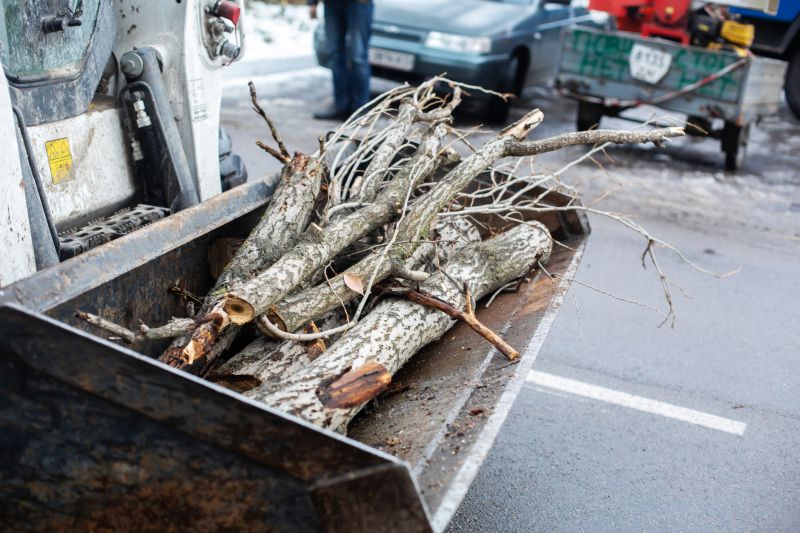
Safety And Property Protection
Removing dead branches helps prevent potential damage to trees, structures, and people on the property.
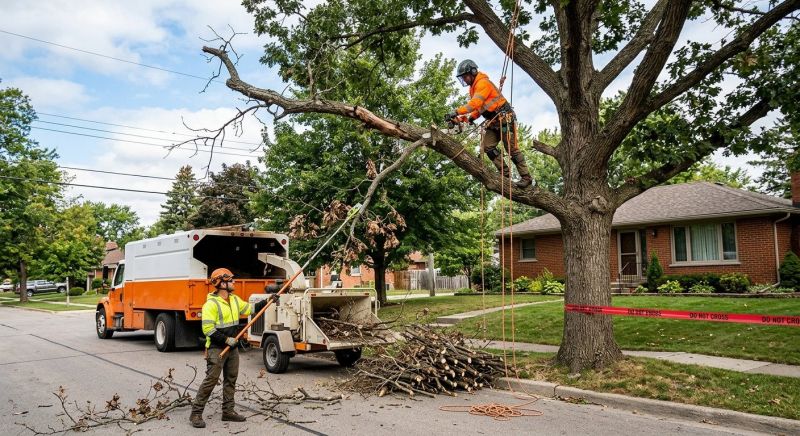
Tree Health And Maintenance
Pruning dead branches encourages healthy growth and improves the overall appearance of trees.
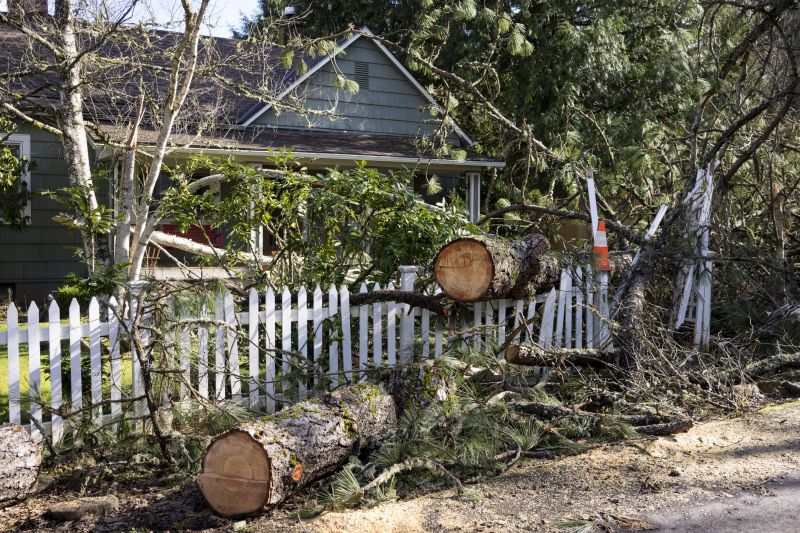
Aesthetic Enhancement
Removing unsightly or hazardous dead branches enhances the visual appeal of residential and commercial landscapes in reno, nv.
Dead Branch Removal in Reno, NV
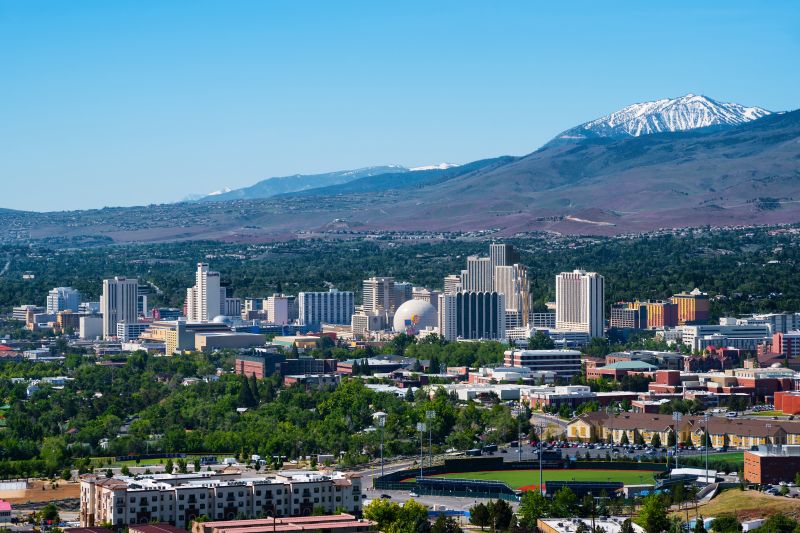
Dead branch removal services involve the careful trimming and removal of dead or dying branches from trees and shrubs on residential properties. This process helps improve the overall health and appearance of trees, reduces the risk of falling branches, and minimizes potential damage to structures, vehicles, or people. Projects may include removing hazardous limbs, thinning dense canopies, or addressing specific concerns such as disease or storm damage, ensuring that trees remain safe and well-maintained.
Property owners often seek dead branch removal to enhance safety, prevent property damage, and promote healthy growth of their trees. Before requesting this service, it is helpful to understand the extent of the work needed, the types of trees or shrubs involved, and any specific concerns about safety or aesthetics. Proper assessment can ensure that the right techniques are used to maintain the health and appearance of trees while addressing safety considerations around the property.
Many property owners in Reno, NV look into Dead Branch Removal for repairs, replacements, upgrades, and appearance-related improvements.
Common Dead Branch Removal Jobs
Dead Tree Removal - safely removing trees that pose a risk to property or safety.
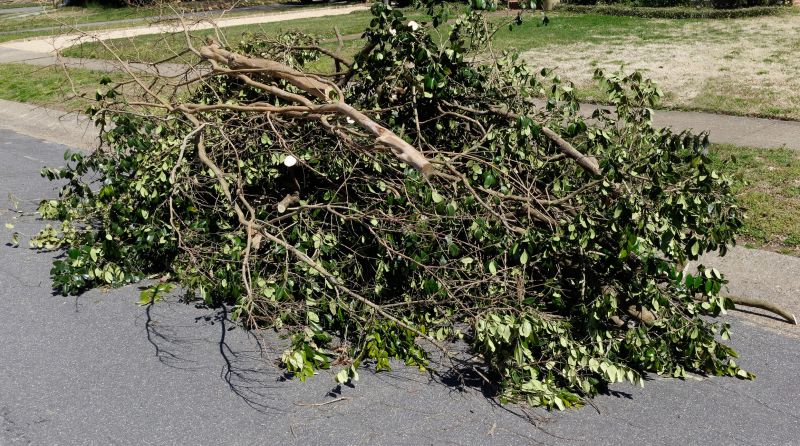
Storm Damage Cleanup - clearing fallen or broken branches after severe weather events.
Overgrown Branch Trimming - reducing excessive growth to prevent damage and improve tree health.
Emergency Dead Branch Removal - quick response for hazardous branches that threaten structures or power lines.
Landscape Maintenance - removing dead branches to enhance curb appeal and maintain property value.
Tree Health Assessment - identifying dead or diseased branches for targeted removal and tree preservation.
Dead Branch Removal Questions
What are dead branches? Dead branches are parts of a tree that have lost their vitality and no longer grow leaves or new growth.
Why should dead branches be removed? Removing dead branches helps prevent potential damage to property and reduces the risk of falling limbs.
How can I tell if a branch is dead? Signs include lack of leaves, brittle texture, and discoloration compared to healthy branches.
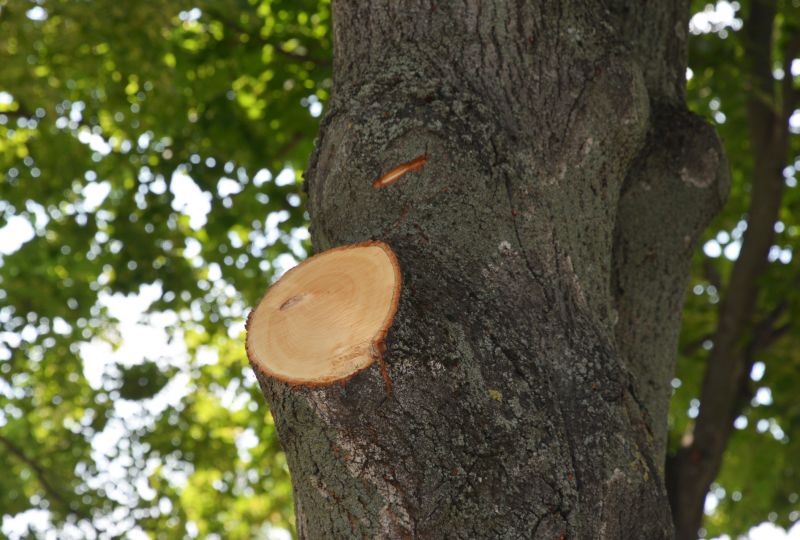
Is dead branch removal safe for trees? Proper removal techniques can help maintain the health and stability of the remaining tree structure.
Request Dead Branch Removal in Reno, NV
Use the quote form on this page to share the basics of your project and request more information for the type of work you need.